


Trauma Therapy

in Portland, OR

illustration of person in therapy session

Do You Feel Trapped by Your Past?

Maybe you’ve tried to “just get over it” or push through on your own, but the weight of trauma keeps pulling you back. You want to feel safe in your own body again and reconnect with life, but you’re not sure how.

illustration of woman with plants growing around her

When Trauma Takes Over

When something extremely stressful happens in our lives—like experiencing violence, witnessing someone injured or killed, or having our physical safety threatened—it can feel overwhelming. The aftermath of trauma can show up in many ways: nightmares that disrupt your sleep, difficulty concentrating at work, irritability that strains your relationships, fear that may seem to come out of the blue, feeling constantly on guard and that others are not trustworthy, or emotional numbness that leaves you feeling hollow.

You might blame yourself for what happened or for “not being over it yet.” This self-criticism only compounds the pain. Perhaps you’ve withdrawn from relationships because letting people close feels too vulnerable, or you’re exhausted from holding it together all day while struggling internally.

The Weight of Unprocessed Trauma

Trauma doesn’t just affect your mind—it impacts your entire nervous system. You might find yourself scanning for danger even in safe situations. Some people struggle to remember parts of what happened, while others can’t stop replaying it. Lots of people who experience trauma struggle with feelings of shame, guilt, or worry that they are fundamentally damaged or broken in some way. If any of this sounds familiar, please know that what you’re experiencing makes sense given what you’ve been through—and that with the right support, things can get better. With the right help you can begin to process what happened, reduce PTSD symptoms, and reclaim your life.

Contact Us

You're Not Alone in Your Struggle

Trauma is far more common than most people realize. About 6% of the U.S. population will experience PTSD at some point in their lives, and trauma exposure itself is even more widespread—approximately 60% of men and 50% of women experience at least one traumatic event in their lifetime. Complex trauma from childhood experiences affects countless individuals, though it often goes unrecognized. Counseling for childhood trauma can help untangle these deeply-rooted patterns and support lasting recovery.

illustration of woman holding umbrella

Why Trauma Responses Don’t Automatically Fade Over Time

Your brain’s response to trauma isn’t a character flaw—it’s your nervous system’s attempt to protect you after an overwhelming experience. When we encounter something that overwhelms our ability to cope, our brain builds barriers to shield us from traumatic thoughts, feelings, and memories. This is completely normal. No one wants to relive a traumatic event.

However, the more we try to avoid these experiences, the more they intrude on our lives. PTSD occurs when this survival mechanism overextends and starts negatively impacting how we function. Your hypervigilance, avoidance, and emotional responses made sense in the context of the trauma—they were adaptive at the time. But now they may be keeping you stuck.

Many people also carry shame about their trauma or minimize it by telling themselves “others had it worse” or “I should be over this by now.” That shame can make it harder to seek help—or to believe help is possible. The good news is that trauma is highly treatable, and it’s never too late to start.

Evidence-Based Trauma Treatment Can Help You Heal

Not all therapy approaches are designed to treat trauma. You need specialized treatment that research has shown to be effective. At Portland Psychotherapy, we specialize in evidence-based trauma counseling that helps you process traumatic experiences and reduce PTSD symptoms. We utilize treatments most strongly recommended by the American Psychological Association in their Clinical Practice Guideline for the Treatment of PTSD, including Cognitive Behavioral Therapy, Acceptance and Commitment Therapy, Cognitive Processing Therapy, and Exposure Therapy.

How Trauma Therapy Works

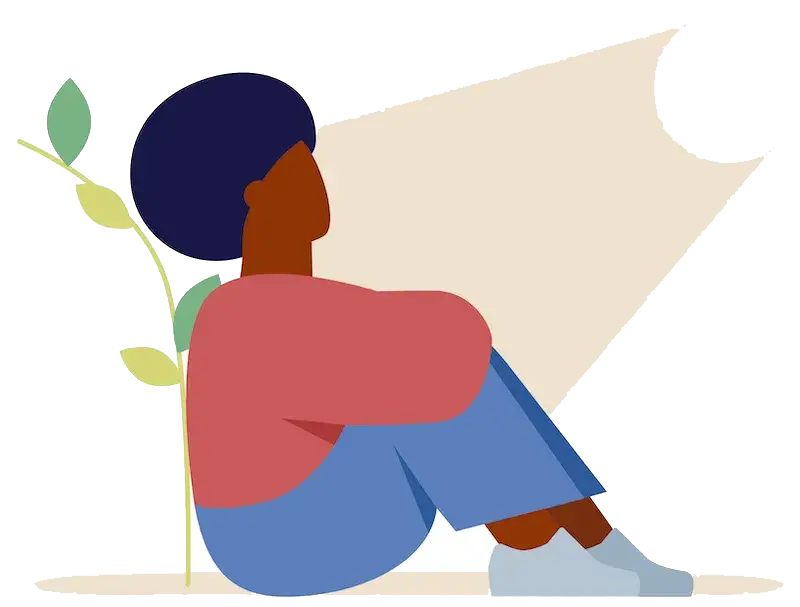
illustration of woman sitting on floor with light shining downEveryone’s experience of trauma is different, so we work collaboratively with you to customize treatment to meet your unique needs. Someone who experienced a single trauma in adulthood will have a very different path compared to someone dealing with complex trauma from childhood.

In our sessions, we help you create new ways of responding to trauma while gaining skills to live according to your values. Rather than avoiding traumatic memories indefinitely, evidence-based therapy for your trauma helps you process them in a safe, controlled way so you can heal and they lose their power over you.


Our Approach: Combining ACT with Trauma-Focused Care

We often incorporate Acceptance and Commitment Therapy (ACT) when helping clients recover from trauma. ACT is a cognitive behavioral treatment that focuses on learning to more effectively manage distress while moving towards a meaningful life. In ACT for trauma recovery, we look at how you relate to painful experiences and whether those patterns are creating additional suffering. 

But we also know that a life worth living is about more than just a reduction in symptoms. ACT keeps a fundamental focus on what truly matters to you as the compass that guides treatment. Maybe that means being able to show up more fully for the people you love. Maybe it means rebuilding trust in yourself or others, or simply feeling more at ease in your own skin. Therapy isn’t always easy, but we want to make sure it’s worth it. 

What to Expect in Treatment

Our approach to treating your trauma is active and collaborative. We begin by working with you to understand your unique history, your symptoms, and what you most want to be different. From there, we develop a treatment plan tailored specifically to you—someone who experienced a single traumatic event in adulthood will have a very different path than someone navigating complex, childhood-rooted trauma.

In sessions, you’ll learn concrete skills for managing distress, stepping back from difficult thoughts, and gradually reducing the grip that traumatic memories have on your daily life. Rather than avoiding those memories indefinitely, which tends to keep symptoms alive, evidence-based trauma treatment helps you process them in a safe, paced way so they lose their power over you. You’re never pushed to share more than you’re ready to, and we adjust the pace based on what is and isn’t working for you.

Portland Psychotherapy’s Unique Scientist-Practitioner Approach

What sets Portland Psychotherapy apart is our commitment to the scientist-practitioner model. Our unique business model means that the revenue from our clinical services funds ongoing research in areas such as shame, self-criticism, compassion, and complex trauma, keeping us at the forefront of evidence-based treatment. This model allows us to contribute to advancing trauma care while serving our community. It also means that when you work with us, you benefit from therapists who are exceptionally well-trained and who stay current on what research says actually works.

Common Questions About Trauma Therapy.

This is a completely understandable concern. However, avoiding traumatic memories actually maintains PTSD symptoms. In evidence-based trauma treatment, we process memories in a safe, gradual, and controlled way. You’re never forced to share more than you’re ready to, and we work at a pace that feels manageable. Research consistently shows that exposure-based treatments, when done properly, lead to significant symptom reduction rather than making things worse. We create a supportive environment where you can safely process what happened so it no longer controls your life.

Trauma-focused therapy uses specific, evidence-based techniques designed to help you process traumatic memories and reduce PTSD symptoms. Not all therapists are trained in these specialized approaches. At Portland Psychotherapy, we use treatments specifically shown to work in clinical trials studying PTSD. This targeted approach is typically more effective for trauma symptoms than general supportive therapy alone.

No. Some people have detailed memories of their trauma while others remember only fragments—both are normal responses. Trauma therapy doesn’t require perfect recall. We work with whatever memories you have, and the goal isn’t to uncover every detail but to help you process the experience in a way that reduces its emotional impact on your present life.

illustration of person sitting in therapist office with green leafy plant behind

Portland Psychotherapy

Begin Your Trauma Recovery Journey

You don’t have to carry the weight of trauma alone. With compassionate, personalized trauma therapy, you can process what happened, reduce PTSD symptoms, and reconnect with the life you want to live.

We offer free 15-minute phone consultations to help you determine if one of our trauma therapists or counselors might be a good match for your needs. Contact us at 503-281-4852 or fill out our contact form to take the first step toward healing and living a fuller life.

Our two locations are across the street from each other, please double-check your appointment location.

3700 N Williams Ave,
Portland, OR 97227

3719 N Williams Ave,
Portland, OR 97227