
Telehealth Treatment for Hairpulling: As Effective as In-Person Treatment
In Portland, Oregon, where I live, potential therapy clients have access to wide range of therapists who use evidence-based practices.
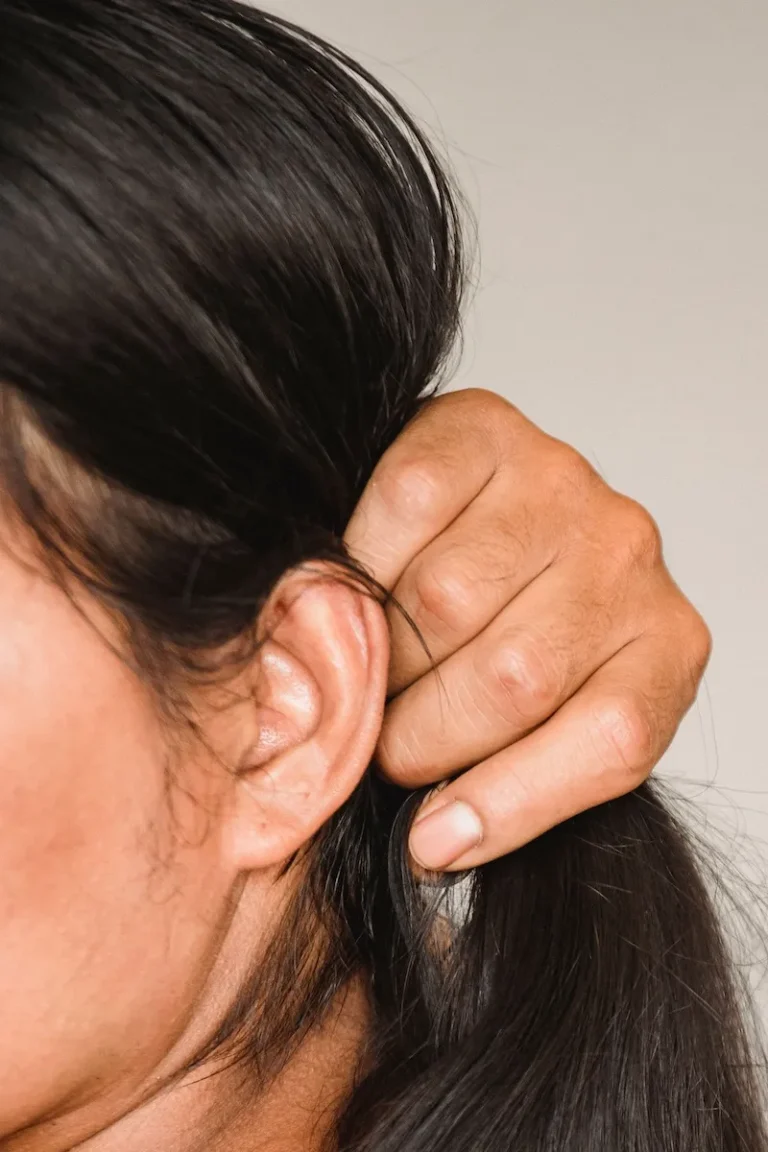
In Portland, Oregon, where I live, potential therapy clients have access to wide range of therapists who use evidence-based practices.

People with OCD are often plagued with a wide variety of painful thoughts.

Mad in America published a summary of a recent study that surveyed people with OCD about treatment preferences.

In people who develop obsessive-compulsive disorder, there are often signs in childhood.

Since I saw him present on some preliminary results at a conference 6 years ago, I’ve been following with interest University of Albany – SUNY professor John Forsyth’s, PhD, research on his self-help book, The Mindfulness and Acceptance Workbook for Anxiety.

One of the problems I specialize in working with is repetitive skin picking (also known as excoriation or dermatillomania).

There’s no shortage of self-help books on the market.

I resonated with a recent article in Psychology Today about the difficulties people have in finding therapists who offer effective treatment.

I ran across this excellent 5 minute video on obsessive-compulsive disorder (OCD) by Helen Blair Simpson, MD, PhD through the Mental Health Channel.
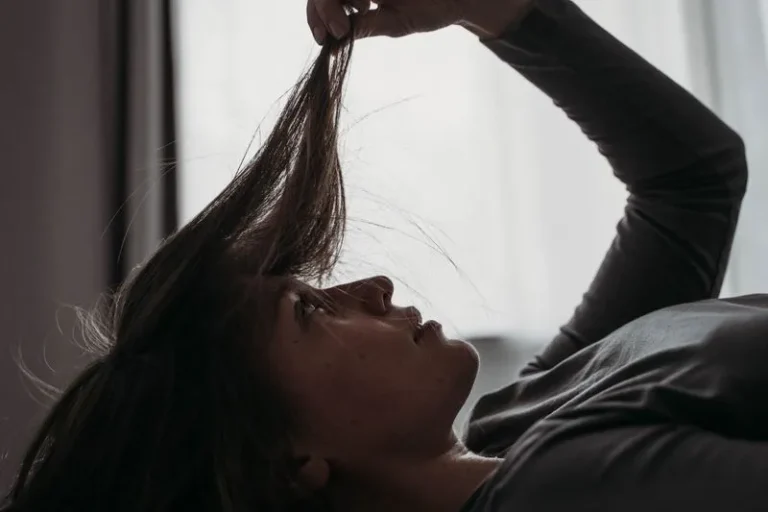
One of my specialties is working with people who struggle with repetitive hair pulling (called trichotillomania) and/or skin picking (called dermatillomania or excoriation). Individuals with these conditions often do damage to their appearance.

Trichotillomania (or trich for short) is a condition in which people repeatedly pull out their body hair, often leading to bald patches and thinning. The scalp is a common site—as are eyebrows and…

CNN featured a nice article on a lesser known subtype of obsessive-compulsive disorder (OCD)–Scrupulosity.

At Portland Psychotherapy, we are passionate about offering evidence-based treatment and promoting training in effective treatments to other professionals.

In previous posts, I’ve written about how cognitive behavioral treatment (specifically, CBT with exposure and response prevention) has been shown to be much more effective in treating obsessive compulsive disorder (OCD) than medication.
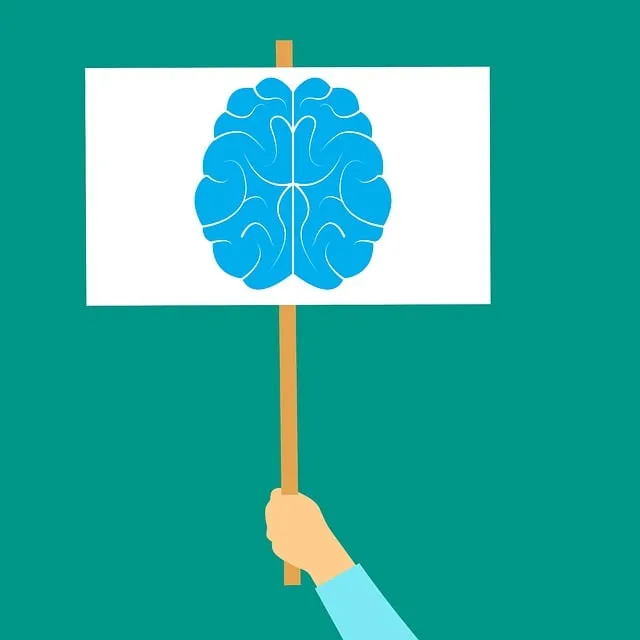
It has become fashionable nowadays in psychotherapy circles to talk about neuroscience and interventions that target the brain.

You’ve probably noticed this already, but our minds have something to say on most topics.

Among people with whom I work, a practice that’s grown more common in the last few years but with iffy research support is the addition of an antipsychotic medication when an antidepressant medication doesn’t seem to be working.

Obsessive-Compulsive Disorder (OCD) is a serious and disabling problem for many people.