


Huffington Post Article on Hair Pulling and Skin Picking
One of my specialties is working with people who struggle with repetitive hair pulling (called trichotillomania) and/or skin picking (called dermatillomania or excoriation). Individuals with these conditions often do damage to their appearance.



Hair Pulling (AKA Trichotillomania) and Skin Picking Problems – Greater Research Support for Behavior Therapy over Medication
Trichotillomania (or trich for short) is a condition in which people repeatedly pull out their body hair, often leading to bald patches and thinning. The
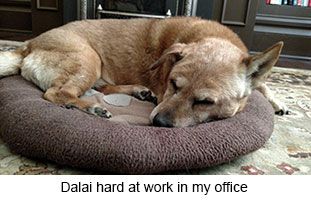

Pain, values, compassion, and a dying dog
Just about three years ago, I wrote a blog post titled “Pain and values: two sides of the same coin” about our amazing dog Dalai.

Serving Those Who Have Served: Caring for veterans and their companion animals
“Thank you for your service!” How many of us have offered these words of appreciation when we see a service member in uniform?

It’s Not Your Fault: How the Mind Copes with Abuse by Someone Close to you
If you have been hurt by someone close to you, it’s likely you are bothered by feelings of shame.

Cognitive Behavioral Therapy in Portland, Oregon
Cognitive Behavioral Therapy (CBT) is a specific type of psychotherapy that is different from traditional “talk therapy.”


Follow up on the Valkee device that shines light in your ears.
This post is a follow up to something one of our researchers wrote two years ago about a device called the “Valkee” that shines light into your ears using a device that looks a lot like an iPod.
How to Read Your Emotions Part II: Put on Your Spec’s
Reading your emotions is all about perspective.
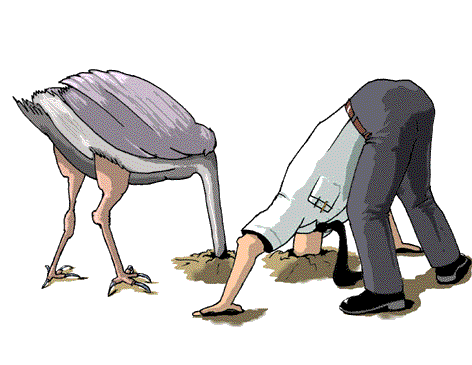
How to Read Your Emotions Part I: Don’t Judge a Book by Its Cover
Sometimes when you first start having a feeling, your brain will very quickly make up its mind that the emotion is somehow dangerous or bad.

What Exactly is Insomnia? (and what you can do about it)
People can experience difficulties with sleep throughout their lives.

Helping People Grieve with Compassion
One of the reasons it can be so difficult to approach someone who is suffering is that it can bring us face to face with our powerlessness to do anything about pain.

CNN Article on Religious-Themed OCD (aka Scrupulosity)
CNN featured a nice article on a lesser known subtype of obsessive-compulsive disorder (OCD)–Scrupulosity.

A Yale Graduate Student’s Account of Her Struggle to Find Effective Treatment for OCD
At Portland Psychotherapy, we are passionate about offering evidence-based treatment and promoting training in effective treatments to other professionals.

What Medications are Effective in OCD?
In previous posts, I’ve written about how cognitive behavioral treatment (specifically, CBT with exposure and response prevention) has been shown to be much more effective in treating obsessive compulsive disorder (OCD) than medication.
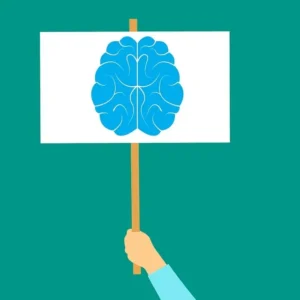
Psychotherapy Changes the Brain, Too: A Look at PTSD Treatment
It has become fashionable nowadays in psychotherapy circles to talk about neuroscience and interventions that target the brain.

Your Mind Thinks its an Expert (or Calling Dr. Rutherford)
You’ve probably noticed this already, but our minds have something to say on most topics.

Are Antipsychotic Medications a Helpful Adjunct for Treating Obsessive-Compulsive Disorder?
Among people with whom I work, a practice that’s grown more common in the last few years but with iffy research support is the addition of an antipsychotic medication when an antidepressant medication doesn’t seem to be working.